
Timber Sliding and Sash and Case Windows Stirling
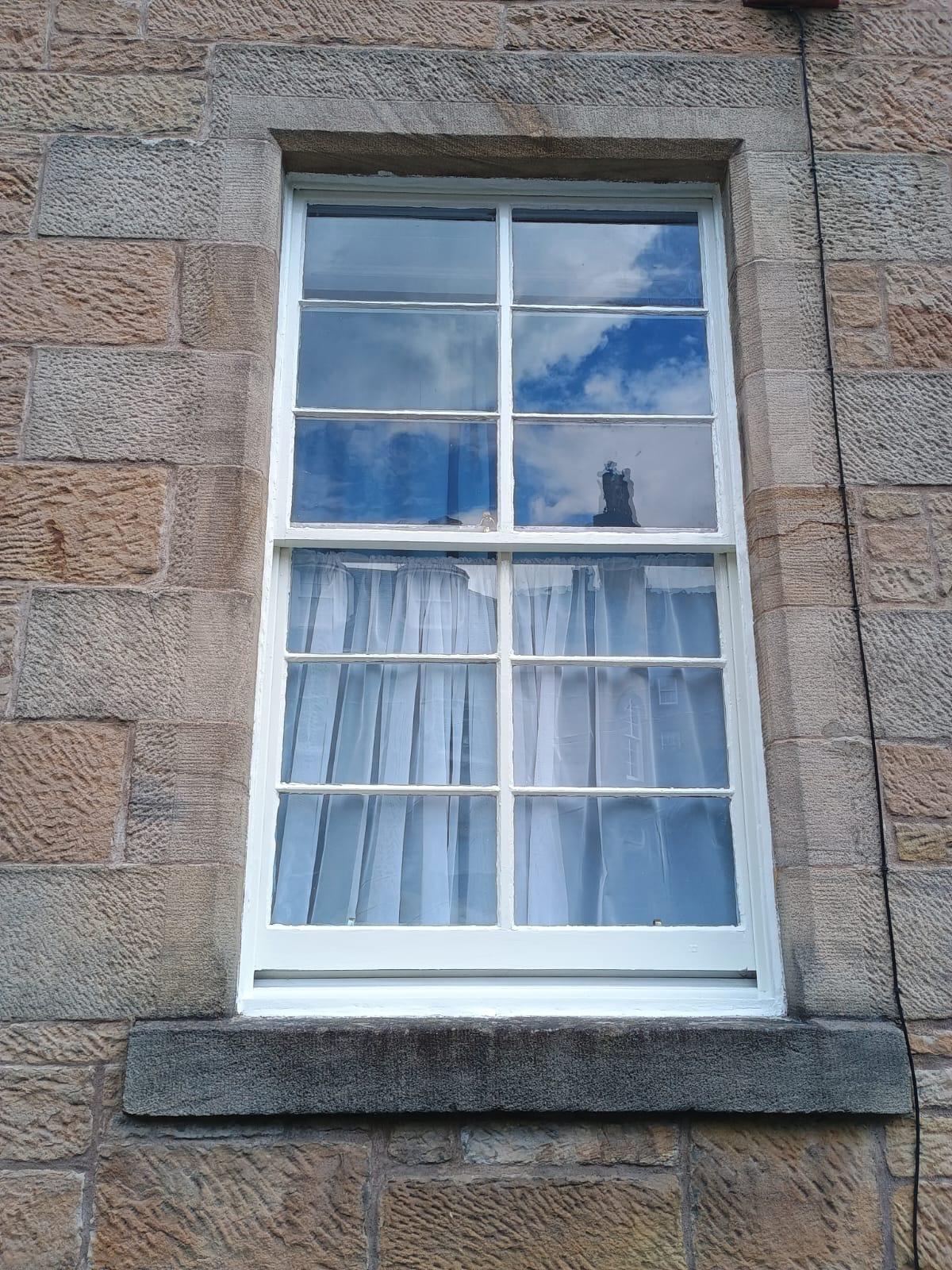
The timeless elegance of timber sliding sash and case windows is a defining feature of our architectural heritage. From the grand Georgian townhouses of Edinburgh to the charming Victorian terraces across the UK, these windows—often referred to as the “eyes of the building”—provide a unique aesthetic that modern PVC alternatives simply cannot replicate. However, because they are made of natural materials and rely on a complex system of pulleys and weights, they require specialized care to maintain their functionality and charm.
The Anatomy of the Problem: Why Restoration Matters
Over decades, or even centuries, timber sash windows face a range of common issues. Exposure to the elements often leads to wet rot in the sills and lower rails, while multiple layers of thick paint can “paint the windows shut,” rendering them immovable. Beyond the timber itself, the internal mechanisms frequently fail; sash cords fray and snap, and lead weights become unbalanced, making the windows dangerous or impossible to operate.
Restoration is not merely about making the window look new; it is about preserving the structural integrity of the timber. Professional restoration typically involves:
-
Dismantling: Carefully removing the internal staff beads and parting beads to release the sashes.
-
Timber Repair: Removing decayed wood and “splicing in” new, treated timber or using high-quality epoxy resins to rebuild the frame.
-
Hardware Overhaul: Replacing rusted pulleys, fitting new waxed cotton sash cords, and re-balancing the internal weights to ensure the window glides with fingertip pressure.
Sash and Case Window Draught Proofing Stirling
While a restored window looks beautiful and moves smoothly, it is the addition of a sash and case window draught-proofing Stirling system that truly brings it into the 21st century. Traditional sash windows require a small gap (usually around 3mm) between the sash and the case to allow for movement. However, as the timber ages and warps, these gaps can grow. Research suggests that the cumulative gaps around an average single sash window can be equivalent to a 6-inch square hole in your wall.
How Modern Draught-Proofing Works
Modern draught-proofing is an invisible upgrade. Instead of using unsightly foam strips, specialists route discreet grooves into the original timber of the meeting rails, sashes, and new beads. High-performance brush pile strips (or weather-fins) are then inserted into these grooves.
The immediate benefits include:
-
Thermal Efficiency: Draught-proofing can reduce air infiltration by up to 86%. This keeps your expensive heating inside and prevents the “chill” often felt near large windows.
-
Noise Reduction: By sealing the gaps, you create an acoustic barrier that significantly dampens the sound of traffic and street noise.
-
Eliminating Rattles: The brush strips provide a “cushion” for the sashes. This means that even in high winds, the windows will remain silent instead of rattling in their frames.
-
Dust Prevention: A tight seal helps block out urban dust and pollen, leading to a cleaner indoor environment.
Restoration vs. Replacement: A Sustainable Choice
Many homeowners are pressured to replace original timber windows with double-glazed uPVC units under the guise of energy efficiency. However, restoring and draught-proofing existing windows is often the superior choice. It is more environmentally sustainable, as it prevents high-quality old-growth timber from going to a landfill and avoids the high carbon footprint of manufacturing plastic or new timber frames. Furthermore, in many conservation areas and listed buildings, restoration is a legal requirement to preserve the character of the streetscape.
